Abdominal emergencies involving the gallbladder (gallstones) or the appendix are among the most common reasons patients require surgical consultations. At **Healing Tree Hospital**, our surgical unit is equipped for both planned (elective) daycare surgeries and emergency (non-elective) abdominal interventions, performed using advanced minimally invasive laparoscopic keyhole setups.
1. Gallbladder Stones: Elective vs. Non-Elective Surgery
Gallstones (cholelithiasis) develop when cholesterol or bilirubin crystallizes in the gallbladder. Depending on clinical severity, surgical treatment (cholecystectomy) falls into two categories:
- Elective Laparoscopic Cholecystectomy: Recommended when ultrasound scans reveal gallstones causing biliary colic (recurrent upper abdominal pain after fatty meals). Performing the surgery electively avoids severe complications.
- Non-Elective (Emergency) Cholecystectomy: Executed immediately when a stone blocks the cystic duct, causing acute cholecystitis. Symptoms include severe constant right-sided abdominal pain, fever, nausea, and jaundice. Delaying surgery carries a high risk of gallbladder rupture or gangrene.
2. Appendicitis: Elective and Emergency Management
Appendicitis—inflammation of the appendix—is almost always an emergency scenario:
- Emergency Laparoscopic Appendectomy: Acute appendicitis requires immediate keyhole surgery within 12-24 hours. A delay can cause the appendix to burst, causing peritonitis (a life-threatening abdominal lining infection requiring surgical washouts).
- Elective Appendectomy (Interval): Occasionally, if a patient presents with an appendix lump (phlegmon) that is stabilized medically with antibiotics, the surgery is postponed for 6-8 weeks and performed electively under sterile, stable conditions.
3. The Healing Tree Surgical Advantage
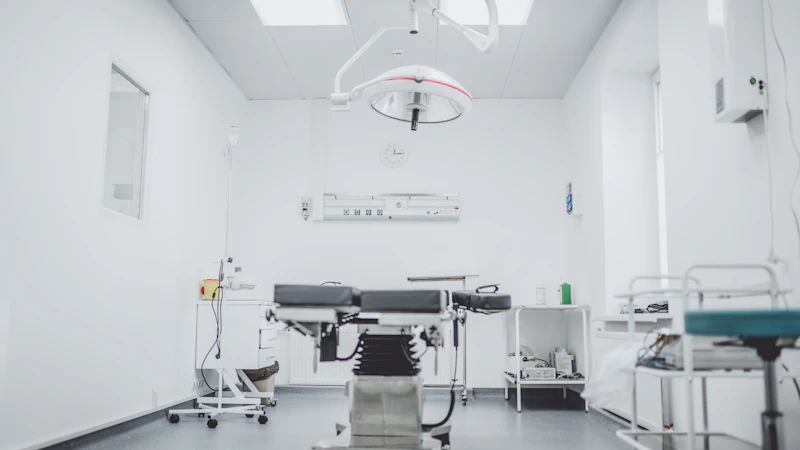
Our general surgery team, headed by consultants Dr. PK Karan, Dr. Pavitra Dosanjh, and Dr. Abhimanu Dewan, utilizes modular operating theaters with vertical laminar airflow systems to ensure sterile conditions. Because we operate through 3-4 small keyhole ports (5mm to 10mm) instead of a large incision:
- Post-operative pain and reliance on heavy painkillers are minimized.
- Hospital stays are reduced to 24 hours.
- Aseptic infection control protocols protect patients from hospital-acquired infections.
Frequently Asked Questions (FAQ)
Q: Can gallstones be dissolved with medicines?
No. Medicines cannot permanently dissolve calcified gallstones. The gold standard treatment to avoid recurrent inflammation is surgical removal of the gallbladder (cholecystectomy).
Q: Does removing the gallbladder affect digestion?
No. The liver continues to produce bile. After surgery, bile flows directly into the small intestine. Patients lead completely normal, healthy lives post-recovery.